

Home maintenance checklist for Rotterdam: autumn and winter
Redactie Handyman Rotterdam
Last updated: 7 November 2026
This home maintenance checklist is a walk through the house for autumn and winter. It is one way to winterize home Netherlands. The first job is a gutter check from the ground or from a window. Tick an item when you have looked at it. After the lists, you can see which photos help when you report a fault. You need a torch and a cloth, not a toolbox.
Check from the ground or from a window. No ladder work on a wet roof. Do not work on the electrics.
Autumn (Oct-Nov)
In October and November the leaves fall, and the first cold nights arrive. Walk the house from the outside in. Start with the gutter from the pavement, then the doors, then the wet rooms. Write the date next to what you see. A note you make now saves you searching again in December.
Look up at the front lip of the gutter and at the downpipe. In the rain, the water should run into the pipe, not over the edge. A dark streak on the wall, loose paint under the gutter, or a pipe that drips at a joint belongs on your note.
Call for roof and gutters if the water misses the pipe, if the gutter sags, or if you can no longer see the outlet from the ground. You do not climb up to it.
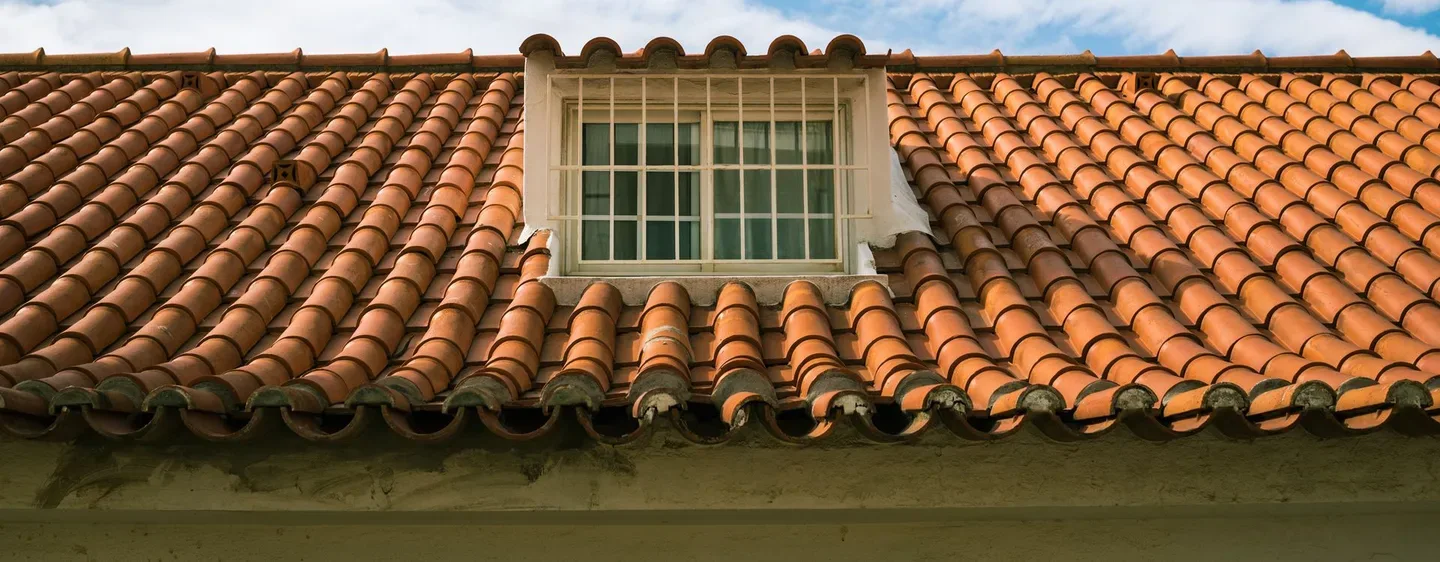
After the leaves fall, a mound often sits in the gutter. From the pavement you may only see that the lip has disappeared, or a wad at the top of the downpipe. The grate at the bottom of the pipe can be full as well.
Have the gutter cleared if you cannot see that wad safely, or if the gutter has already dropped. That belongs with roof and gutters, not with a stick from a ladder.
Sealant is the soft joint along the tray. Look with a light into the corners. A dark line behind the joint, a hole in the corner, or water on the floor beside the tray after a shower is the sign.
Do not pull at loose sealant. If the water does not stay in the tray, that is work for a plumber. If a tile sounds hollow, write it down and do not lever it off.
Run a hand along the front door, the back door, the letterbox and the window joint. A draught is air through a gap. That is not the same as a vent that should stay open for fresh air. A strip that is flat, hanging off or missing lets the wind through.
If the door drags, or you have to lift it to shut it, that belongs with doors. The lock itself is below.
The key should turn smoothly both ways. The door falls into the lock without you lifting the handle. Check that every hinge screw is still in, and that the plate in the frame still lines up with the bolt.
Do not force a key that jams. A lock that will no longer turn is work for locks. Note which door it is: front, back, store room or shed.
The outside tap is in the garden, on the balcony or on the wall. Find the indoor tap that shuts it off. Close that one, open the outside tap until nothing more comes out, and take the hose off. Then close the outside tap again.
Do this in November, before frost. If the wall or the tap leaks afterwards, a plumber looks at it. You do not cut into the pipe.
Winter (Dec-Feb)
Winter is colder than summer, and the tap is used more. Walk the wet spots again: the kitchen cupboard, the bathroom, the windowsill, and the door that still shut smoothly in autumn. Wood can move. A gap that was small in October can draught now.
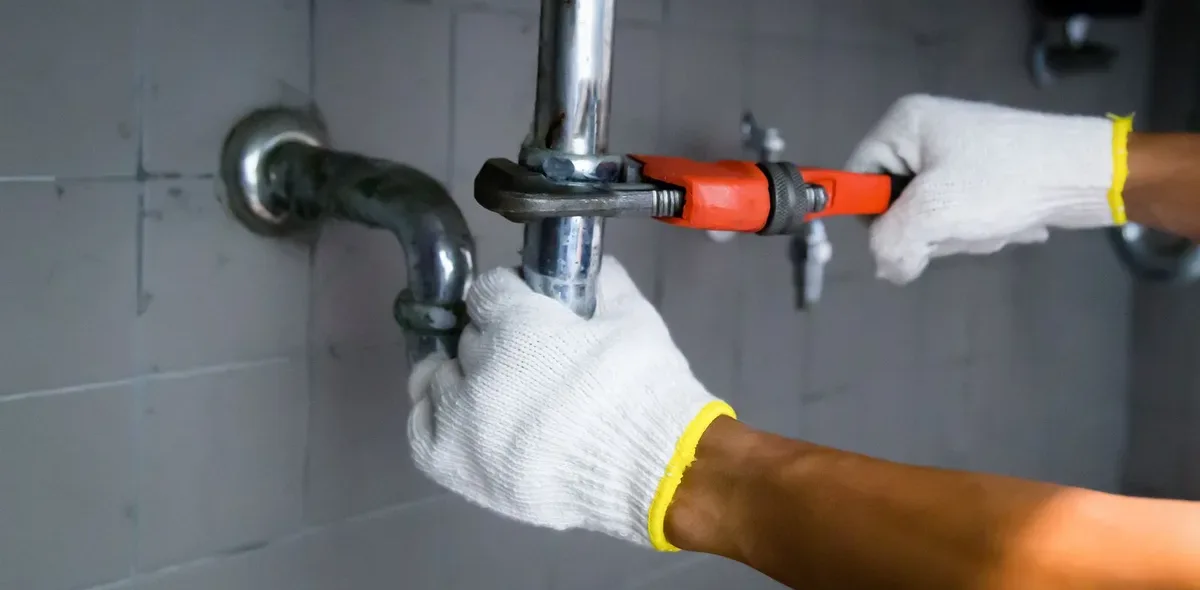
The U-bend is the curved pipe under the sink. Dry the cupboard and watch for one minute. A drip from the spout is a different fault from a wet nut on the pipe, or a hose that only leaks when the tap is on. If the base feels soft or dark, the water is already in the wood.
If it stays wet, or you cannot find the stop valve, that is work for a plumber. Do not take the tap apart. More steps for a drip are in the guide to a leaking tap.
Leave the vents in the windows open, or open them. Condensation on the glass should clear if you open a window for a short time after a shower or after cooking. If water stays on the pane, or a new dark spot appears in the sealant or on the ceiling, note the room.
Do not tape the vents shut. An extract point in the kitchen, bathroom or toilet should pull when it is on. You can feel that with a small piece of paper. If the mould comes back, the moisture is the issue, not only the mark.
A door that still shut in November can drag or stop halfway in January. See where it meets the frame: the side, the top, or across the floor. A gap under the door that is now larger lets the cold in.
Do not plane an edge yourself if you do not know whether the frame or the hinge is the cause. If the door no longer falls into the lock, that belongs with doors.
When it thaws, a lot of water suddenly runs through a gutter that was already full of leaves in November. From the ground, look again whether the water spills over the edge, and whether a new streak has appeared on the wall.
A gutter that overflows now, after coping in autumn, should be cleared. That is roof and gutters again. Do not wait until the top-floor ceiling is wet.
After a storm or heavy rain
KNMI names heavy rain as an example of extreme weather that can cause flooding. Winter is colder than summer. This is not a forecast for your street. After a downpour or a storm you walk the same round, and you look for what is new. Source: KNMI, climate explained.
From the window or the pavement: is the downpipe still fixed to the wall, or has a bracket come loose? Does the water still run into the pipe, or does it pour over the edge? A joint that sprays now may not have done so before the rain.
If the water runs down the wall, or you see a loose length of gutter, call for roof and gutters. You do not put a ladder against a wet roof.
On the top floor, look at the ceiling under the roof, and at the wall under the gutter. A new stain, a bulge, or a drip that was not there before goes on the note, with the room.
Dry what you can reach. Do not open the wall. If the stain keeps growing after the rain, someone who does that work should look, through roof and gutters if it is coming from the gutter or the roof.
Wipe the inside of the sill dry and see if a new drip appears. A window that no longer sits in the frame after the storm, or a gap that was not there before, belongs on the list.
Do not force a window that sticks. If the sill stays wet, or the window will not close, that is a point for doors when it is the door or the frame, or for a plumber when the water is from a leak.
What not to do yourself
The lists above are for looking and noting. A few jobs do not belong there. Leave those to someone trained for them. We do not carry out gas work or mains electrics.
Do not climb onto the roof, and do not put a ladder against a wet gutter. Tiles are slippery, and a fall happens quickly. Work at height, a new roof, or rotten wood under the tiles is work for a roofer. The items in this list stay on the ground.
Leave gas pipes, the boiler and the gas meter alone. That is work for a registered installer. You do not undo a joint, and you do not look for a leak with a flame.
The consumer unit, fixed wiring and work in the meter cupboard are mains electrics. That belongs with an electrician who has the right papers. Do not open the cupboard for a photo, and do not work on a socket if you do not know what is behind it. We do not take that work on.
Photos when you report a fault
If you report a fault to your landlord, or to the owners' association (VvE) in a block of flats, photos make the spot clear. This section says nothing about who does the repair or who pays. It says what to photograph, from where, and what to note.
What to photograph: first the drip, the gap, the crack or the mould, up close. Then the same spot from further back, so the room, the window or the wall is clear. For a leak, also the wet patch on the ceiling or the floor. The U-bend or the gutter only if you can see it from the ground or from a window.
From where: stay on the ground, on the balcony, or at the window. Do not climb onto the roof for a sharper picture. Do not open the meter cupboard, and do not photograph an open gas pipe.
What to note: the date, the room, and what you see. For example: 7 November, bathroom, water on the floor beside the shower. Or: after the rain, front wall, water over the edge of the gutter. Write that in the message with the photos. Keep them with your own message.